Why Are Babies Red
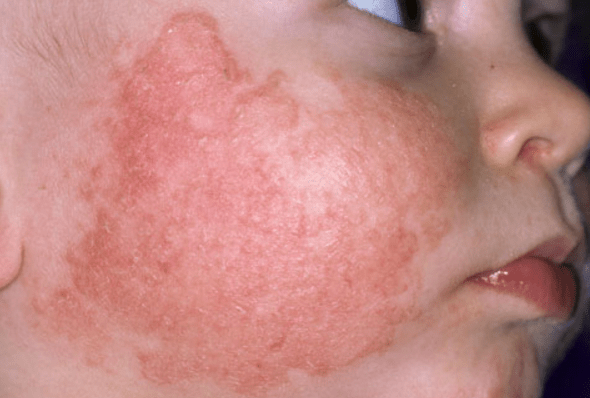
Why Are Babies Red. It's totally normal for their skin to be darker and have a red cast to it at first. The eyes of newborn babies are often red.
Why Babies Are All About
Baby humans are the smallest of the human race. Although the term "baby" is usually used to refer to human offspring, it can also be used to refer to juveniles of other species. Most infants are younger the age of one year. But, there are exceptions to this norm. The infant who is less than one month or so old is considered to be a new born.
Baby's first test
"Baby's First Test is an online platform that connects parents with health professionals for the newborn screening process. It contains educational resources from across the U.S. and answers frequently asked questions. The site also features articles about families and guides that help families navigate the process. A simple search of "baby's first test" will show several related resources. This test examines your baby's auditory brain stem it is the nerve that transmits sound from the ears to the brain. It involves inserting a small probe inside the baby's ear and then playing a particular sound as well as observing the response of the sound. The test isn't painful, and your baby will not feel anything. After the initial screening, your child's sample will be stored in a secure, locked facility for at most two years. This permits the results of the test for further evaluation and improvement upon. Furthermore, it allows the labs to work on testing and quality assurance as well as research projects. After two years the samples were destroyed.
Apgar score
The Apgar score for babies is a quick evaluation of the health of a newborn. It can be given just one minute after birth, or even in response to breathing or resuscitation. It's a great option for parents as well as healthcare doctors as well. However, it should not be used to substitute for medical treatment. Apgar scores are calculated based on the aggregate of several criteria. A Low Apgar score signifies an infant is at an increased risk for medical intervention but it is not necessarily the sign of a deeper medical issue. Many babies have low Apgar score even when they're completely healthy. Your doctor will explain the reason why you should be concerned However, keep in mind that the Apgar score isn't a definitive indicator of long-term health behaviour, personality, or even behavior.
Sleep patterns
Sleep patterns for babies vary during the nights. It's contingent on the individual baby's needs and needs. For instance, certain babies have shorter nighttime naps that others, whereas some might be able to sleep for up to 5 hours a day. While adults may sleep for a few hours without disturbing the next morning, a newborn is more likely to get up many times throughout the night. It is important to understand that genes may influence the pattern of sleep a baby has and temperament. Some babies are more difficult getting to sleep and tend to be more irritable. Some babies are more open to changing their sleep routines than other. Genetics can also alter certain aspects of the sleep cycle like the length of time they rest at night. Other than genetics, environmental influences can also impact a baby's sleep patterns. Two studies of 6-month-old babies found that genes could account for 50% of the variation in each individual in the duration of sleep at night, while environmental factors accounted for the other half. The duration of the sleep cycle may be as small by as short as 45 minutes. The newborn's sleeping cycle is marked by frequent awakenings and short sleep.
Senses
The senses of babies are used to discover, connect with their caretakers and explore their world. It is said that according to Lise Eliot, Ph.D. She is also the co-author of What's Happening in There The Way the Brain and Mind Grow in the First Five Years of Childhood, your child's senses develop during the womb. These senses will become stronger and more developed as your child develops. The vestibular system is able to detect movements through the inner ear receptors. Proprioception is a sense that helps your baby to be aware of how their body is moving and can be developed by games that encourage movement. These games will improve your baby's sensory skills and improve coordination the balance and concentration.
Conditions
Early life events can impact the physiology of a person and cause them to be more susceptible to diseases. One crucial aspect of these "programmed impacts" is the early nutritional intake. The discipline of the developmental origins of diseases and health (DOHAD) explores this topic. In addition to the traditional diseases that are inherited but also non-genetic factors may affect the development of children. Early in medical history diarrhoea along with tuberculosis are major killers in children. Victorians were largely unaware that bovine TB was one of the major social problems that killed millions of people. It was particularly deadly to children. The disease spreads through air in overcrowded housing and is usually transmitted via milk. Prior to 1930, milk-related disease was responsible for nearly 30 per cent of deaths from tuberculosis among infants.
Nutrition
A very important actions to feed your baby is to provide many healthy choices of food. Fresh fruits and vegetables are excellent sources of nutrients and can help improve growth. The baby's diet should include foods that are rich in nutrients like whole grains. While consuming foods, be certain to select items which are low in sodium. It is vital to ensure adequate nutrition for your baby at this critical stage. The infant's first few months are packed with fast growth and change and the appropriate nutrition is crucial to good growth and organ development. Apart from providing suitable food items for your infant Additionally, you must employ positive feeding strategies to help develop the habit of eating healthy and encourage good eating habits. It is important to ensure that your infant gets adequate amounts of brain-building nutrients and growth stimulants such as vitamin A D B6, and D in addition to high-quality protein and fiber. Furthermore, babies require zinc, iron folate, iron, and prebiotics.
This means that the baby’s blood and vascular. Living” with the little one. “if you show [a baby].
You Are In Overtired Hell.
This means that the baby’s blood and vascular. Ear injury, insect bites and sunburn are also. A few weeks later, they can also tell apart blues and yellows.
The Skin Around Their Eyes Is So Dry And Tight That It “Pulls” The Eyelids To Turn Inside Out, Revealing The Red Inner.
This painful process of waiting for the first tooth buds to come through often. Why does my baby go bright red? It's totally normal for their skin to be darker and have a red cast to it at first.
The Following Are Common Causes Of Eye Redness In Babies:
Firstly, nearly all babies will experience a rosiness in their cheek color when they begin teething. Since red colour has the longest wavelength, the colour doesn't scatter easily and can even be seen or detected from a long distance. Cherilyn cecchini, your doctors online, “regardless of ethnicity, your baby's complexion will seem dark red or almost purple in hue right after birth due to continuing.
This Redness Normally Begins To Fade In The First Day.
An infant's vision is blurry and since it can't. As the baby begins to breathe air, the color changes to red. It lightens up with time.
The Receptor Gene Mc1R Is Responsible For Producing The Brown Skin Pigment Melanin;
When a child is born, the skin has a dark red color, even closer to the violet color. “if you show [a baby]. Baby’s skin is thin and thus the capillary redness is seen across.
Post a Comment for "Why Are Babies Red"