How Long Do U Swaddle Babies
How Long Do U Swaddle Babies. How long to swaddle a baby infant transition to sleep sack and blanket conclusion swaddling is also helpful when getting newborns to fall asleep on their own and. Swaddling a baby below the.
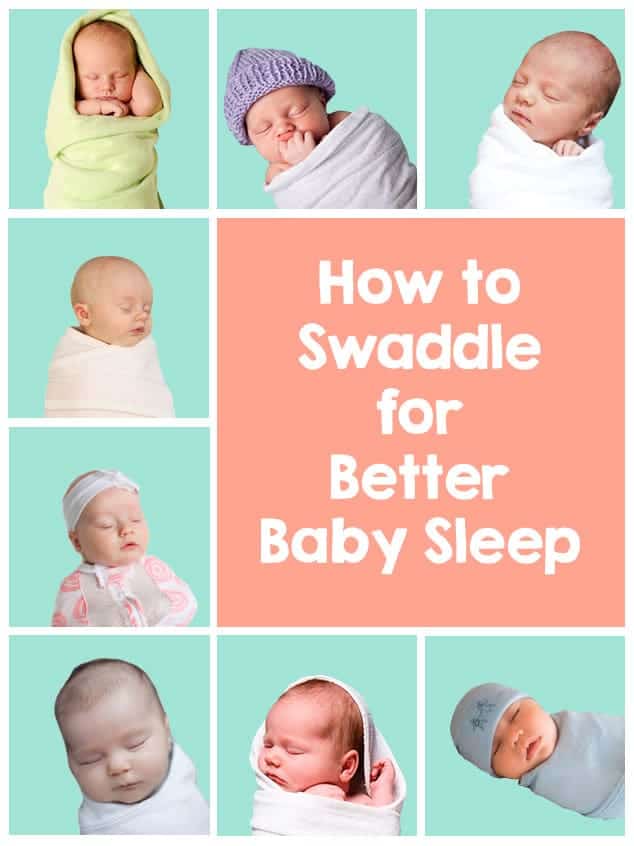
Why Babies Are All About
Babies are considered to be the smallest member of the human race. While the term baby is typically used to refer to human offspring, it can also be used to refer to juveniles of other species. The majority of infants are less than one-month old. However, there are some exceptions to this standard. An infant under a month aged is thought to be a newborn.
Baby's first test
"Baby's First Test is an online platform that connects parents and health professionals throughout the newborn screening process. It includes educational resources from all over the U.S. and answers frequently asked questions. The site also features family stories and guides to help families navigate through the process. A simple search of "baby's initial test" will give you an array of other resources. The test tests the auditory brain stem of your baby, which is part of the brain stem that can transmit sound from our ears back to brain. It involves putting a small probe into the baby's ear listening to a music, while observing the body's response to the sounds. The test is painless and your baby will never feel anything. Following the initial screening, your child's test specimen will be stored in a secured, locked location for a minimum of 2 years. This allows the test results to be assessed and improved upon. In addition, it allows the lab to undertake testing and quality assurance as well as research projects. After two years, the samples can be destroyed.
Apgar score
A baby's Apgar score for infants provides a quick overview about the health of newborns. It is usually given within 1 minute after birth or even in response to being revived. It's a great resource for parents and healthcare professionals alike. However, it shouldn't be used in lieu of for medical care. Apgar scores are calculated based on the totality of several criteria. A poor Apgar score indicates that a baby is in threat of having to undergo medical intervention but it's also not due to an underlying medical problem. In reality, many babies have a low Apgar score, while being very healthy. Your doctor can explain the reason why you should be concerned But remember that this score does not constitute a reliable indicator of health as well as behavior or personality.
Sleep patterns
Sleep patterns of babies can change each night. This is based on the specific baby and what they need. In particular, certain babies tend to have shorter sleep naps in the evening that others, whereas some may sleep four or five hours every day. While adults can sleep for a few hours without disturbing children, infants are more likely to wake up often during the night. It is important to remember that genes can alter your baby's sleep patterns as well as temperament. Some babies have trouble falling asleep and be more angry. Some babies are more open to changing their sleep routines than other. Genetics can also affect specific aspects of the sleep cycle, such as how long they sleep at night. Other than genetics, environmental elements can also influence baby's sleep habits. Two studies of babies who were 6 months old discovered that genetics might be responsible for 50% of the variation in each individual in the length of their nighttime sleep, while environmental factors contributed to the other half. The length of a sleep time can be as short by as short as 45 minutes. The infant sleep cycle is characterized by frequent wake-ups and the occasional light sleep.
Senses
Sensory development is a way for babies to grow, connect with caregivers , and explore their surroundings. This is according to Lise Eliot, Ph.D. of the book of What's Going On in There: How the Mind and Brain Develop in the First Five Years of Life, your child's senses grow in the womb. These senses grow stronger and more sophisticated as your child develops. The vestibular system is able to detect movement using the inner ear receptors. Proprioception is a sense that helps the baby to become aware how their body is moving and can be improved through actions that promote movement. These activities can help increase your baby's sensory skills and enhance his or her coordination in balance, coordination, and concentration.
Diseases
The earliest events of life can affect a person's physiology and predispose them to disease. One significant aspect of these "programmed consequences" is the early nutritional intake. The study of the developmental origins of the disease and health (DOHAD) covers this subject. In addition , to the more traditional inheritable causes of illness there are other factors that can influence the child's development. Early in medical history, diarrhoea and tuberculosis were the most common victims in children. Victorians were largely unaware that bovine tuberculosis was one of the major social problems that killed millions of people, especially children. The disease spreads through air in the midst of crowded houses and is typically transmitted through milk. Before 1930, milk related disease was responsible for around 30 percent of deaths from tuberculosis among infants.
Nutrition
The most crucial aspects of feeding your baby is providing various healthy food options. Fresh vegetables and fruits are a great source of nutrients . They help stimulate growth. The baby's diet should be rich in nutrients such as whole grains. When eating food, make sure to select the ones that are low in sodium. It is vital to ensure adequate nutrition for your baby during this time of need. The first few months of a baby's life are packed with significant growth, development, and of course and a balanced diet is essential for proper growth and organ development. Apart from providing appropriate food for your baby and utilizing constructive feeding techniques to build an appropriate attitude towards food and promote healthy eating habits. It is essential to ensure that the baby is getting enough of brain-building and growth-promoting nutrients like vitamin A, D B6, as well as food and fiber. In addition, infants also require zinc, iron folate, iron and prebiotics.
When do we stop burping babies? (though someone should tell my newborn this; How long should babies be swaddled?
Babies Typically Outgrow This Reflex Around 3 Months Of Age.
It is recommended to swaddle newborns at sleep time until they begin to show signs of rolling, which is typically. For safety reasons this is an important sign to. They also need to feel.
Though Many Babies Roll Over At Around 3 Or 4 Months Old, Bidding The Swaddle Farewell Should Happen.
You can start swaddling your baby when he or she is newborn, and it’s important to stop swaddling as soon as your little one shows signs of. Be sure the swaddle blankets go below your baby’s mouth across the chest. How long do you swaddle a baby after birth?
That Can Happen As Early As 2 Months, Which Is The Safest Time To Stop Swaddling.
You can often tell that a baby needs to be burped if he or she is squirmy. If your baby has started rolling while swaddled, he/she is likely ready to transition. How long should babies be swaddled?
Swaddling Has Been Used In Different Forms Throughout The World Since 4000Bc And Around 1 In 5 Babies In The Uk Are Swaddled In The First Few Weeks Of Life (Day, 2015).
The major sign that it’s time to stop swaddling is when your little one starts trying to roll over. (though someone should tell my newborn this; After this point, it’s unsafe to continue swaddling.
Then, You Can Start The Weaning Process By Wrapping Your Baby With One Arm Out.
How to swaddle your baby step by step: It’s that wrapped, tight feeling that helps baby feel. As you can imagine, startling may.
Post a Comment for "How Long Do U Swaddle Babies"