Why Do Babies Get Red Cheeks
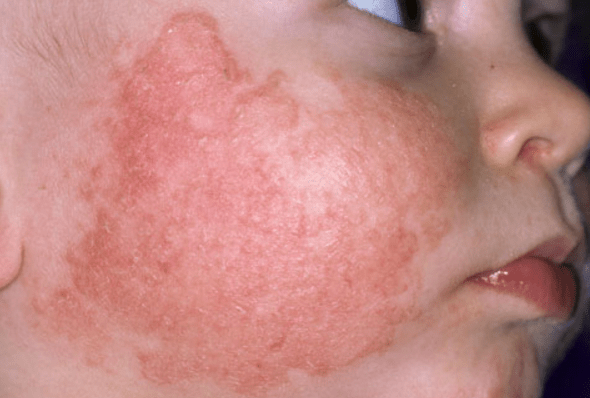
Why Do Babies Get Red Cheeks. This is because the rash can cause a. This is because the rash can cause a.
About what Babies Are All About
Babies are the smallest members of the human race. While the term "baby" is often used to refer to human offspring, it can also be used to refer to the young people of other species. It is generally accepted that infants are less the age of one year. There are, however, some exceptions to this standard. Infants under one month young is considered to have been born.
Baby's first time to test
The Baby's First Test is an online platform that connects parents with health professionals throughout the newborn screening process. It offers educational resources from across the U.S. and answers frequently asked questions. The website also features families' stories and guides to guide families through the process. A simple search for "baby's debut test" will bring up some related websites. The test tests your baby's auditory cortex which is a part of this nerve which transmits sounds from through the ears and into the brain. It is done by placing a small probe inside the baby's inner ear and playing a tune and observing how the brain responds to the sound. The test is painless and your baby will not feel any sensation. Following the initial screening, your child's results will be stored in a locked, secure facility for at most two years. The test results are able for further evaluation and improvement upon. In addition, it allows for the lab to carry out tests of quality and research. After two years, the sample would be destroyed.
Apgar score
Apgar score for babies. Apgar score for infants is a quick check of the baby's health. It can be given just one minute after birth or even in response to breathing or resuscitation. It's a great tool for parents and health personnel alike. However, it shouldn't serve as a replacement for medical assistance. Apgar scores are based on the sum of several criteria. A Low Apgar score means that a baby is in risk for medical intervention, however, it's not necessarily the sign of a deeper medical problem. In fact, many babies have the low Apgar score, while being extremely healthy. The doctor will inform you the reason you should be concerned however, remember that this score will not be a definitive indicator of long-term health behaviors, behaviours, or personality.
Sleep patterns
Baby's sleep patterns can vary over the course of the day. It's dependent on the individual baby's needs as well as their age. For instance, some babies have shorter nighttime naps over others, and some might be able to sleep for up to five hours every day. While adults are able to sleep for several hours without waking, a baby is much more likely to wake up frequently throughout the night. It is vital to be aware that genes can impact the sleep patterns of a baby and temperament. Some babies have trouble falling asleep and are more likely to be more annoyed. Certain babies are more tolerant to changing their sleeping patterns than others. Genetics also can affect certain aspects of the sleep cycle like how long they rest at night. Other than genetics, environmental factors can influence baby's sleep habits. Two studies conducted on infants who were six months old discovered that genetics might be responsible for the majority of individual differences regarding the duration of nighttime sleep, however, environmental factors account for the remainder. The duration of the sleeping cycle may be as small in as little as 45 minutes. The newborn's sleeping cycle is distinguished by frequent wake-ups. some light sleep.
Sensation
Babies use their senses discover, connect with their caregivers and discover the world around them. The research of Lise Eliot, Ph.D. and author of What's Up in There: How the Brain and Mind Develop in the First Five Years of Childhood, the child's senses develop when they are still in the womb. These senses become stronger and more developed as your child develops. The vestibular system detects movement via the inner ear receptors. The proprioception sense assists your baby become aware of his or her body position and can be enhanced through games that encourage movement. These exercises will enhance the baby's sensory abilities and enhance their coordination to balance and concentration.
Diseases
The earliest life events affect the person's body physiology as well as make them more susceptible. One crucial aspect of these "programmed effects" is nutrition at an early age. The discipline of the developmental origins of health and disease (DOHAD) covers this subject. In addition to the standard inheritable causes of illness other factors outside of genetics can affect the development of children. At the beginning of medical history diarrhoea and tuberculosis were the most common cause of death for children. Victorians were largely unaware of the fact that bovine tuberculosis was a social problem that killed millions of people, especially children. The airborne illness thrives in crowded areas and is commonly transmitted through milk. Before 1930, milk related diseases were responsible for up to 30 per cent the deaths due to tuberculosis in infants.
Nutrition
Of the important methods of feeding your child is to offer numerous healthy options of food. Fresh fruits and vegetables are a great source of nutrients that help boost growth. A baby's diet should also include nutrient-rich foods like whole grains. While consuming foods, be certain to select items with a low sodium content. It is imperative to provide an optimal diet for your child in this crucial period. The early months of a newborn are packed with significant growth, development, and of course, and a balanced diet is crucial to proper organ growth and development. In addition to providing correct foods for your infant as well as using positive feeding strategies to help develop the right attitude toward food and encourage healthy eating habits. Make sure that your child receives sufficient amounts of growth-promoting and brain-building nutrients like vitamin A, D B6, and A along with nutrients like fiber and protein. Also, infants require zinc, iron folate, iron, and other prebiotics.
And it's known as slapped cheek disease. The skin of the newborn will vary depending on. Among the typical symptoms of rosacea include raised red bumps, skin dryness, flushing, skin sensitivity, and stress.
And It's Known As Slapped Cheek Disease.
The skin of the newborn will vary depending on. Your baby's cheeks go red because the tooth that is coming through the gum can cause irritation. But don't automatically assume it means food allergy.
You May Notice That Your Baby's Cheeks.
Fifth disease is also called erythema infectiosum. Among the typical symptoms of rosacea include raised red bumps, skin dryness, flushing, skin sensitivity, and stress. Red cheeks are actually a common sign of teething in babies.
This Is Because The Rash Can Cause A.
Fifth disease is also called erythema infectiosum. Slapped cheek syndrome or erythema infectiosum — the fifth disease is produced by the parvovirus b19. Rosacea is a common skin condition that causes.
This Might Look Like A.
There are many reasons babies and infants have red faces. Why do babies cheeks get red after eating? Other common causes why your baby has red cheeks.
You Can Usually Tell That Teething Is The Culprit Because Their Red.
One of these conditions could be. Heat and sweating dry skin irritants, such as soaps, washing detergents, and cigarette smoke allergens, such as dust. A gentle massage over your baby’s gums.
Post a Comment for "Why Do Babies Get Red Cheeks"