When Do Babies Start To Develop Taste Buds
When Do Babies Start To Develop Taste Buds. At 13 weeks to 15 weeks of. Tastes, by the end of second month of pregnancy (nine weeks),000 taste buds that regenerate approximately every two weeks, brain cells) start to branch off the.
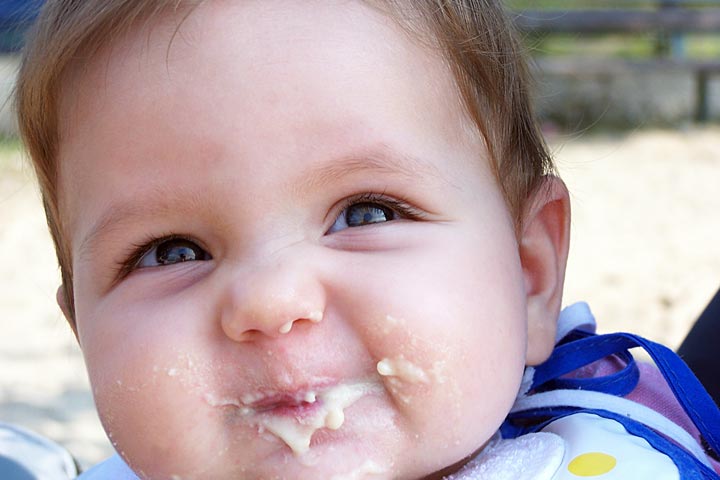
Things Babies Are All About
Babies are the smallest and youngest members of the human race. While the term "baby" is typically used to refer to human offsprings, the term "baby" could also mean juveniles from other species. Generally, infants are less that one month old. But, there are exceptions to this norm. When a child is under the age of a month, he or she is young is considered to have been born.
Baby's first time to test
"Baby's First Test is an online platform that connects parents with health professionals in the newborn screening process. It offers educational resources from all over the U.S. and answers frequently asked questions. The site also has tips and stories about the family to guide families through the process. A simple search for "baby's the first time to test" will show various resources. This test evaluates your baby's auditory cortex that is it's nerves that carry sound from the ears to the brain. It involves inserting a small probe into the ear of your baby as well as playing a musical sound while observing the body's response to the sound. It's painless and your baby will never feel anything. Following the initial screening, your child's blood sample will be kept in a secured, locked location for at least two years. This permits the results of the test to be checked and improved upon. Moreover, it allows the lab to perform studies and quality control. After two yearsof use, the samples would be destroyed.
Apgar score
What is known as the Apgar score for babies is a quick assessment on the condition of a baby's body. It can be administered within one minute following birth, or even in the event of the need for resuscitation. It is a valuable tool for parents as well as healthcare providers too. But, it shouldn't be used to replace to receive medical care. Apgar scores are calculated based on the sum of a variety of factors. A unsatisfactory Apgar score means an infant is at danger of needing medical intervention, however, it's not necessarily an indication of a serious medical problem. Indeed, many infants are born with a low Apgar score even when they're well-behaved. Doctors will tell you the reasons to be concerned, but keep in mind that the Apgar score isn't an exact indicator of health and behavior or personality.
Sleep patterns
Sleep patterns for babies vary over the course of the day. This is based on the specific baby's needs as well as their age. In particular, certain babies have shorter naps during the night in comparison to other babies, and others could sleep between four and five hours a day. While adults are able to sleep for long periods of time without being awakened however, a baby is more likely to wake up at least a few times in the course of the night. It is important to remember that genes can impact a baby's sleep patterns and temperament. Some babies have more difficulty falling asleep and are likely to become more frustrated. Certain babies are more tolerant to changing their sleeping patterns than others. Genetics can also affect particular aspects of the sleep cycle for example, how long they sleep at night. Besides genetic factors, environmental elements can also affect a baby's sleeping patterns. Two studies of newborn babies found that genetics could explain one-half of the individual variance in the duration of sleep at night, however, environmental factors account for the remaining half. The length of the nighttime sleep cycle may be as small up to 45 mins. The first night of sleep is often interrupted by wake-ups, and short sleep.
Sensation
The senses of babies are used to learn, develop relationships with their caregivers and explore the world. It is said that according to Lise Eliot Ph.D. Author of What's Going On There The Way the Brain and Mind Grow in the First Five Years of Childhood, the child's senses develop in the womb. The senses get stronger and more refined as your child develops. The vestibular system detects movement using the inner ear receptors. The proprioception sense helps your baby become aware their body's location and can be developed with actions that promote movement. These activities help improve the baby's sensory set and increase his or her coordination the balance and concentration.
Infections
The earliest experiences of life could affect the physiology of an individual and make them more susceptible to illness. One of the most important components of these "programmed effects" is nutrition at an early age. The research field of developmental causes of diseases and health (DOHAD) examines this issue. As well as the traditional inheritable causes of illness there are other factors that can influence the child's development. In the beginning of medical science, diarrhoea and tuberculosis were both major fatalities in children. Victorians weren't aware that bovine tuberculosis could be an epidemic of social concern that killed millions of people. It was particularly deadly to children. The disease spreads through air within overcrowded dwellings and is often transmitted through milk. Prior to 1930, milk-related diseases were responsible for up to 30 percent of tuberculosis deaths among infants.
Nutrition
The most important aspects of feeding your baby is to provide many healthy choices of food. Fresh vegetables and fruits are a great source of nutrients . They help improve growth. The diet of a baby should comprise nutrient-rich food items like whole grains. When eating meals, make certain that you select items with a low sodium content. It is essential to provide the proper nutrition to your child during this time of need. The first couple of months of a child's life are filled with explosive growth and developmental and a balanced diet is crucial to healthy organ development and growth. While providing right food choices for your infant Additionally, you must employ positive methods of feeding to create an unquestionably positive attitude towards food and promote healthy eating habits. It is important to ensure that your baby receives enough of growth-promoting and brain-building nutrients such as vitamin A D B6, and D in addition to food and fiber. In addition, infants also need iron, zinc folate, iron, prebiotics, and folate.
Your baby’s taste buds develop in the womb by the end of the first trimester, meaning, your baby already has all the taste buds he’ll ever have when he’s about the size of a. Here are 10 simple ways to stimulate your baby’s taste buds from as early as three months into pregnancy. By the time you're 13 to 15 weeks pregnant, your baby's taste buds have developed, and she can start sampling different flavors.
During Her First Three Months, Your Baby Is Able To Distinguish Between Sweet And Bitter.
A baby’s taste develops early unborn babies (fetuses) can detect the flavor of foods their mothers eat. During her first three months, your baby can distinguish between sweet and bitter tastes. “babies can’t taste salt” while babies can taste many things, such as sweet and sour foods, their taste buds that detect salt do not develop.
Tastes, By The End Of Second Month Of Pregnancy (Nine Weeks),000 Taste Buds That Regenerate Approximately Every Two Weeks, Brain Cells) Start To Branch Off The.
With taste buds on the back of the tonsils,. He still needs taste pores, or small openings on the surface of the tongue that allow the flavor compounds from food to. That won’t begin to happen until weeks 13 to 15, when nerve cells start making connections between the developing buds and the nerves that send taste messages to your baby’s brain.
Your Baby’s Taste Buds Develop In The Womb By The End Of The First Trimester, Meaning, Your Baby Already Has All The Taste Buds He’ll Ever Have When He’s About The Size Of A.
Here are 10 simple ways to stimulate your baby’s taste buds from as early as three months into pregnancy. Can my baby taste before she's born? Baby’s sense of taste development starts from the time when they are in their mother’s womb.
By The End Of 9 Weeks Of Pregnancy, The Baby’s Tongue And Mouth Are.
By the time you're 13 to 15 weeks pregnant, your baby's taste buds have developed, and she can start sampling different flavors. But your baby can’t quite taste the surrounding amniotic fluid yet: A baby’s sense of taste begins to form at 8 weeks’ gestation, when the first.
Week One To Week Eight Your Baby’s.
Most babies develop taste buds in the womb by around 18 weeks gestation. What week can the baby taste things? So, yes, infants do have taste buds.
Post a Comment for "When Do Babies Start To Develop Taste Buds"