Do Babies Grunt When Teething
Do Babies Grunt When Teething. It’s extremely common in babies before eight weeks old and can cause them to cry and potentially grunt. Canines, or cuspids (the sharp, pointy.
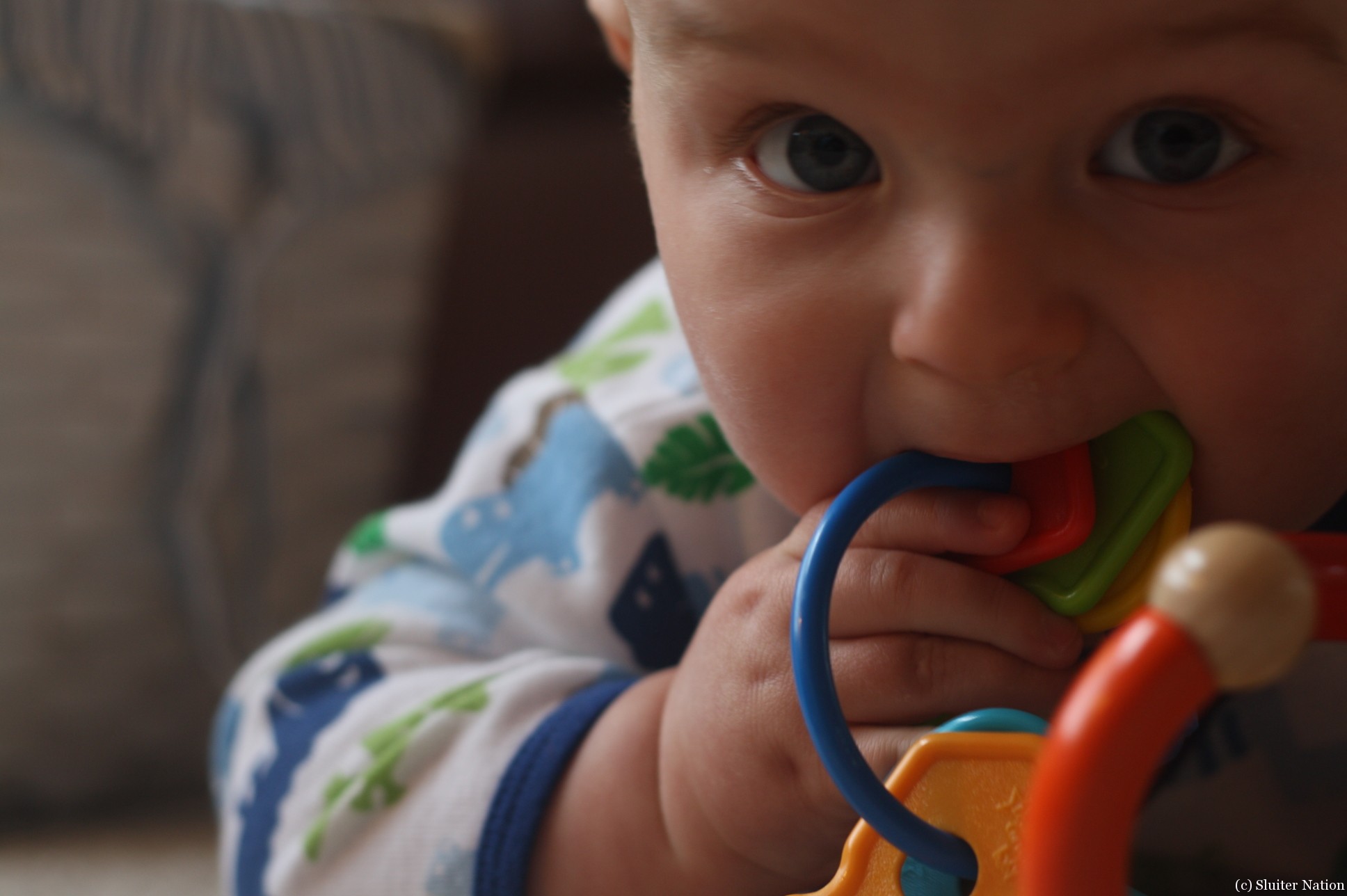
About what Babies Are All About
Babies are considered to be the smallest member of the human species. Although the term "baby” is generally used to refer to human offspring, infant could also mean the children of other species. In general, infants are less then one month of age. But, there are exceptions to this rule. A baby who is less than a month old and a half old is deemed to be a child.
Baby's first time to test
"Baby's" First Test is an online platform that connects parents with health professionals involved in the newborn screening process. It includes educational resources from all over the U.S. and answers frequently asked questions. The website also contains articles about families and guides that help families navigate the procedure. A simple search for "baby's baby's first test" will yield an array of other resources. The test will test your baby's auditory brain stem, which is part of the neural pathway that transmits sound signals from in the ear and to the brain. It involves inserting a small probe inside the baby's ear as well as playing a musical sound as well as observing the response of the sounds. The test is painless and your baby will not feel any sensation. After the initial screening, the child's specimen will be stored in a secure, locked location for a minimum of 2 years. This permits the results of the test to be assessed and improved on. In addition, it allows for the lab to carry out quality assurance and research projects. After two years, all the samples have to be removed.
Apgar score
What is known as the Apgar score for babies is a quick assessment of the health of a newborn. It is given in less than the minute after birth or in the event of breathing or resuscitation. It's a beneficial aid for parents and healthcare providers as well. However, it should not be used to replace for medical care. Apgar scores are determined by the sum of various criteria. A low Apgar score signifies that a child is at high risk of having medical intervention but it is not necessarily indicative of a underlying medical problem. Actually, a lot of babies are born with poor Apgar score, while being perfectly healthy. Your doctor will tell you why you should be concerned be aware that this score will not be an absolute indicator of health behaviour, personality, or even behavior.
Sleep patterns
Sleep patterns for babies vary throughout the night. It's dependent on the individual baby and the needs they have. For instance, some infants sleep less at night over others, and some might sleep for four or five hours a day. Even though adults can stay asleep for several hours without waking but a child is more likely to wake up multiple times throughout the night. It's important to remember that genes can impact the sleep patterns of a baby and temperament. Some babies are more difficult falling asleep and are likely to become more frustrated. Some babies are more flexible to changing their sleep routines than other. Genetics can also affect particular aspects of the sleep cycle like the length of time they sleep at night. In addition to genetics, environmental factors can also influence a baby's sleep patterns. Two studies of babies as young as 6 months discovered that genes may account for 50 percent of the differences between individuals in the length of the night's sleep whilst environmental factors comprised the remaining half. The duration of a night's sleep time can be as short by as short as 45 minutes. The first night of sleep is typically marked by frequent waking-ups and restless sleep.
Sensations
Babies use their senses in order to be taught, communicate with their caregivers , and explore the world around them. In the words of Lise Eliot, Ph.D. She is also the co-author of What's Up in There The Way the brain and mind develop in the First Five Years of Life, your child's s senses develop while in the womb. These senses will become stronger and more advanced as your child grows. The vestibular system is able to detect movement using the inner ear receptors. Proprioception is a sense that helps the baby to become aware the body's position and develops through games that encourage movement. These exercises will enhance the baby's senses and increase his or her coordination with balance, concentration, and coordination.
Infections
The earliest experiences of life can alter a person's physiology and cause them to be more susceptible to diseases. One major aspect of these "programmed consequences" is early nutrition. The study of the developmental origins of health and disease (DOHAD) explores this topic. In addition to traditional inherited causes of disease there are other factors that can affect a child's growth. In the early days of medical history, diarrhoea along with tuberculosis are major victims in children. Victorians were largely unaware that bovine tuberculosis had become an issue of social significance that killed millions of people. It was particularly deadly to children. The disease spreads through air in crowded areas and is typically transmitted through milk. Before 1930, milk related diseases were responsible for up to 30% of tuberculosis related deaths among infants.
Nutrition
One of the most crucial methods of feeding your baby is to give him many healthy choices of food. Fresh vegetables and fruits are an excellent source of nutrients that help accelerate growth. A child's diet should contain nutrient-dense foods such as whole grains. While eating foods, be certain to select foods with a low sodium content. It is vital that you provide an optimal diet for your child in this crucial period. Baby's early years are full of the rapid development and expansion, which is why the right diet is crucial to ensure healthy organ development and growth. As well as providing suitable food items for your infant Also, it is essential to implement positive feeding strategies to help develop the habit of eating healthy and encourage good eating habits. You should ensure that your infant gets adequate amounts of brain-building nutrients and growth stimulants such as vitamin A D B6, and A in addition to fiber and protein. In addition, babies need iron, zinc, folate, and prebiotics.
It’s probably teething if your baby: These funny sounds are usually related to your baby’s digestion, and are a result of gas, pressure in the belly, or the production of a bowel. Most grunting is totally normal.
It’s Probably Teething If Your Baby:
So don’t panic if your little one hasn’t. Babies and children can vary greatly with the symptoms they can have when they are teething. Rarely, grunting can be a sign of something serious.
While Most Grunting Is Normal, If Your Baby Is Grunting With Every Breath, Has A Fever, Or Appears To Be In Distress, See Your Doctor.
At other times, you may notice: For many babies, teething leads to mild symptoms that just last a few days. New parents often wonder whether babies really get fevers when teething.
Holding Your Baby During And After Feeding For As Long As Possible Can.
One common sign of teething is redness or a rash around your baby's mouth or chin. You might notice them fussing, or wanting to be held or comforted more often. These funny sounds are usually related to your baby’s digestion, and are a result of gas, pressure in the belly, or the production of a bowel.
But There’s A Wide Range Of When It’s Considered “Typical” To Start Teething.
Try changing your baby’s formula. Although a child may put their hands in their mouth and have excessive drooling around three. Usually, a baby grunts because his organs are still developing.
January 14, 2010, 19:13:29 Pm » My Son Is 8 Mths.
There are many milk formulas available. If that's the case, the grunting will persist beyond a few minutes, and. The short answer is this:
Post a Comment for "Do Babies Grunt When Teething"